
A personal approach to professional development
Posted on January 29, 2026
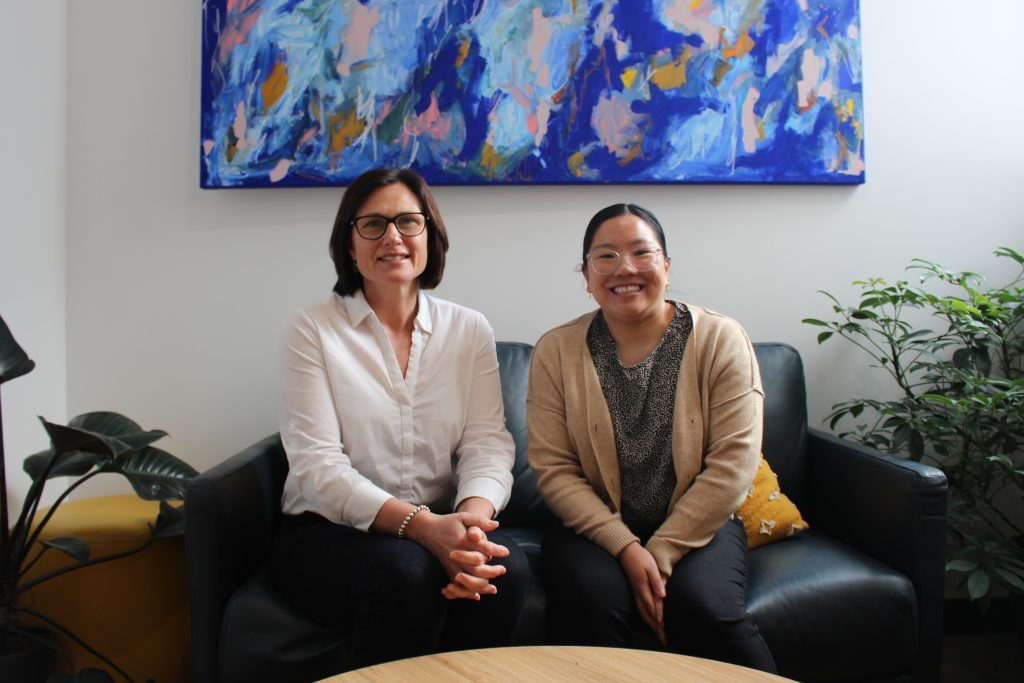
How one mental health organisation’s investment in its people is paying dividends.
When you walk into Cornerstone Youth Services in Launceston, it’s immediately clear this is a space that cares for people.
In the headspace waiting room, there are phone charging stations, coffee and tea, and colouring-in materials for young people preparing to go into their appointments. In the offices behind the clinics, art and plants bring warmth and life into the space.
It gives you a sense that this place values people as individuals—that self‑care, growth and development are part of the journey to mental wellness.
Cornerstone Youth Services is a not-for-profit organisation operating across the north and north west of the state and is the lead agency of the headspace program in these areas. It provides youth‑friendly, person‑centred approaches to mental health care, helping young people work towards their mental health and wellbeing goals.
That same sense of care extends beyond the physical environment to the people who work here. Cornerstone Youth Services takes a whole-person approach to staff as well as clients. The organisation recognises the demanding and often challenging nature of the work.
Cornerstone has taken an innovative approach to professional development. In addition to the mandatory training required for clinical and support roles, every staff member is allocated a professional development budget each year and additional leave to attend training—including professional development leave and five days of conference leave.
Cornerstone chief executive officer Anthea Cooper says staff have the freedom to self-select the learning opportunities that best align with their work, interests and professional goals.
“Everyone has a professional development budget that they can pursue, in areas and therapies that are of interest to each individual,” Anthea says.
Some recent training choices include single-session therapy and single‑session family consultation, Tuning in to Teens, and Eye Movement Desensitisation and Reprocessing (EMDR).
For Anthea, developing staff skills is not just about retention—it is about strengthening the mental health workforce as a whole. Upskilling current staff is a core focus.
“Building the capacity of the workforce is important.”
She says the culture that has grown through this approach is one of commitment and care.
Happily, Cornerstone’s focus on staff development and wellbeing is paying dividends.
“We have better retention than we did three years ago, because we’ve focused on professional development,” Anthea says. “We’ve had positive feedback from headspace National about how impressive our retention is.”
She says the culture that’s been built through this approach is one of commitment and care.
“Some of our early-career staff might want to travel or try new things—and that’s great, it’s what they should be doing—but we want to offer them opportunities here too.”
Cornerstone’s leadership team also focus on building its own capacity through opportunities for continuous leadership development.
Practice manager Rani Sice says some leadership team members recently completed Dare to Lead training, which centres on courageous and values‑based leadership.
“We invest in prioritising genuine work life balance for our staff,” Rani says. “We believe in flexibility and we are committed to sustaining a health workforce.
“We live in accordance with our values of inclusivity. Every staff member has access to professional development of their choosing—including administration.”
This approach extends beyond training. Staff are invited to take part in planning days, where they can provide input on how services are structured and how many appointments they can realistically manage across different types of therapy.
“We want staff to be part of the planning,” Rani says. “That’s how you make sure you’re supporting people properly.”
Anthea says these initiatives have a ripple effect across the organisation.
“When staff have good experiences, even if they move on, it means we have a good relationship with them. It benefits everyone.”
Cornerstone operates across several sites and services, offering flexibility for staff to work across programs and deliver different types of therapy. Anthea says this is made possible by both strong governance and a commitment to upskilling.
She adds that positive feedback through staff surveys and conversations helps the leadership team reflect on what’s working.
“It feels great to see the positive feedback,” Anthea says. “As leaders, we are always seeking feedback.
“It’s useful to take a step back and take a moment to see what we’re doing well.”
At Cornerstone Youth Services, that reflection is visible—in the calm, welcoming environment, and in the confident, supported team who make it work every day.
Because when staff are cared for, they can do their best work caring for others.
This story features in Issue 21 of our Primary Health Matters magazine. Click here to read the rest of the issue.