
Communicating with confidence in palliative care
Posted on January 30, 2026
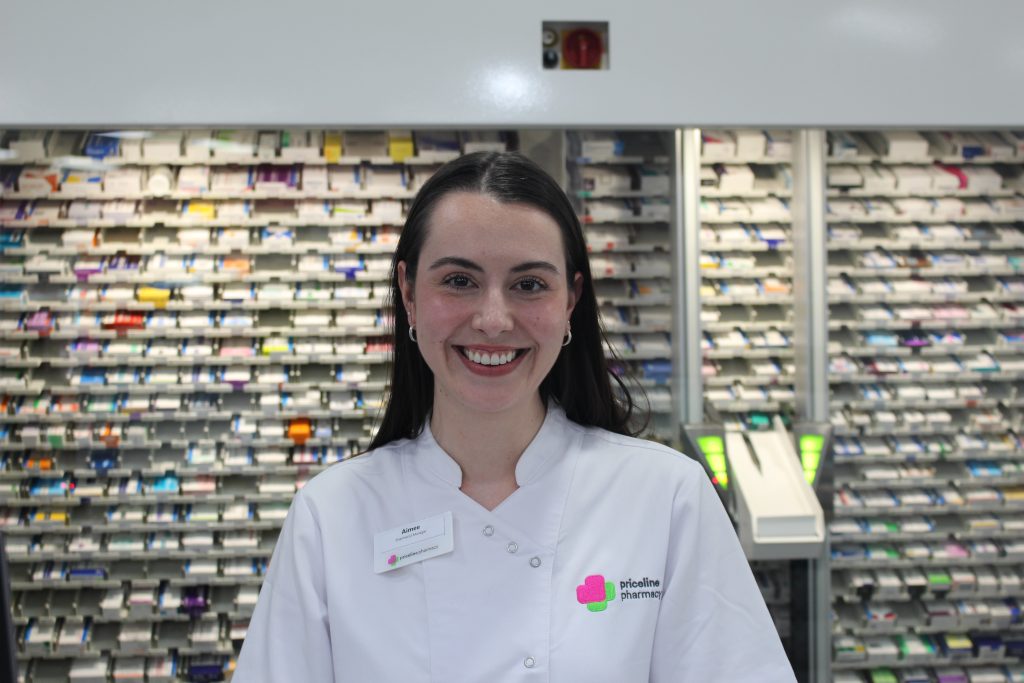
How a scholarship program is helping healthcare professionals improve their confidence in delivering palliative care.
It takes a village to care for someone at the end of their life. Often, that village spans far beyond a clinic room or palliative care ward. Pharmacists, paramedics, GPs, nurses, community services and loved ones all play a part in helping people die well, in the place they prefer.
The Australian Government-funded Greater Choice for at Home Palliative Care initiative supports that village. Its aim is simple and humane: make it possible for more people to receive palliative and end-of-life care in their preferred place, most often their own home, by improving coordination, access to services, and practical support for patients and their carers. The work includes strengthening the workforce, building community capacity, using technology wisely, and avoiding unnecessary hospital admissions.
As part of this initiative, in 2025, Primary Health Tasmania offered funded short‑course grants to help health professionals complete formal palliative care training. In round one, 17 students completed either a Certificate or Specialist Certificate in Palliative Care with strong academic outcomes across the group. Round two drew 63 applications, with courses commencing in August 2025. Participants report tangible practice changes, increased confidence, and flow‑on benefits for their teams and communities.
For Aimee Rose, pharmacist manager at Priceline Glenorchy, the training quickly translated to daily practice and to home life. “I never really knew how to talk about it, or what to say, when someone comes in from the community bringing back medicines from a loved one who’s passed away,” she says. “It was a really awkward situation for me. I knew it was an area I needed more expertise in. Now, I have way more confidence in what to say, when to say it, how to help, and where to go to get more help.”
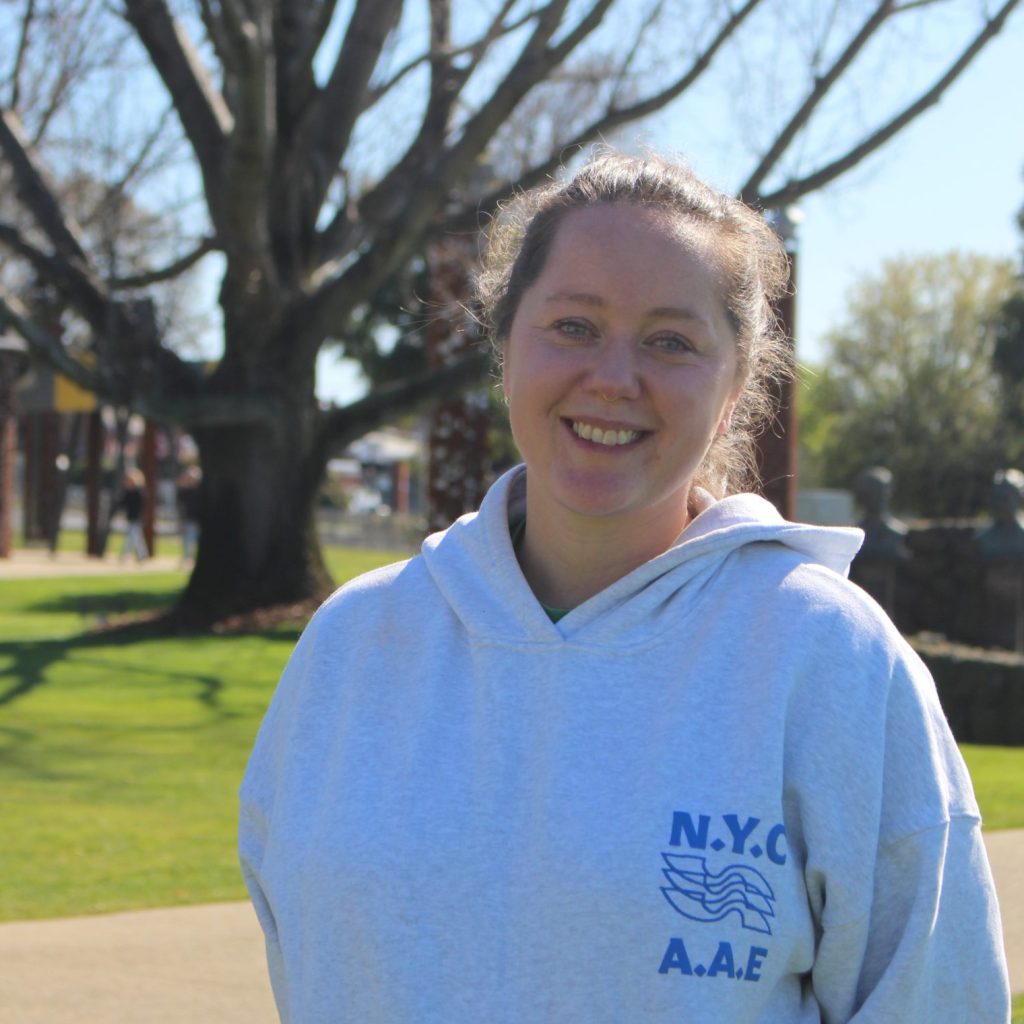
Aimee says it’s also helped in her personal life. “I lost my grandmother recently, and I felt more prepared,” she says. “It still wasn’t an easy process, but it made it easier knowing what happens and why—why they prescribe that medicine, how to support someone, what everything means.
Even for other healthcare professionals, they’re still in that awkward position. They hadn’t done the course, and they weren’t giving us all the information that the family required, but I could kind of decipher what was going on. So I was able to support my family more.”
Devonport-based paramedic Rachel Shaw completed the Certificate in Palliative Care and has since started the Specialist Certificate. “The certificate really helped me with communication,” she says. “It helped me understand different religious and cultural beliefs and approaches to end of life. The certificate focused on communication and theory, and the Specialist Certificate is more practical. I love hands-on learning, and I’m looking forward to applying it.”
Dr Nerida Kelly is a GP at the Aboriginal Health Service in Burnie and has recently started working in oncology at the local hospital. She completed the Specialist Certificate earlier this year. “It’s coming in really handy in this new role,” she says. “Some of the principles, like symptom management, ways of holding conversations and difficult conversations, finding out what people’s goals are, have been helpful. In the emergency department, it was especially useful.”
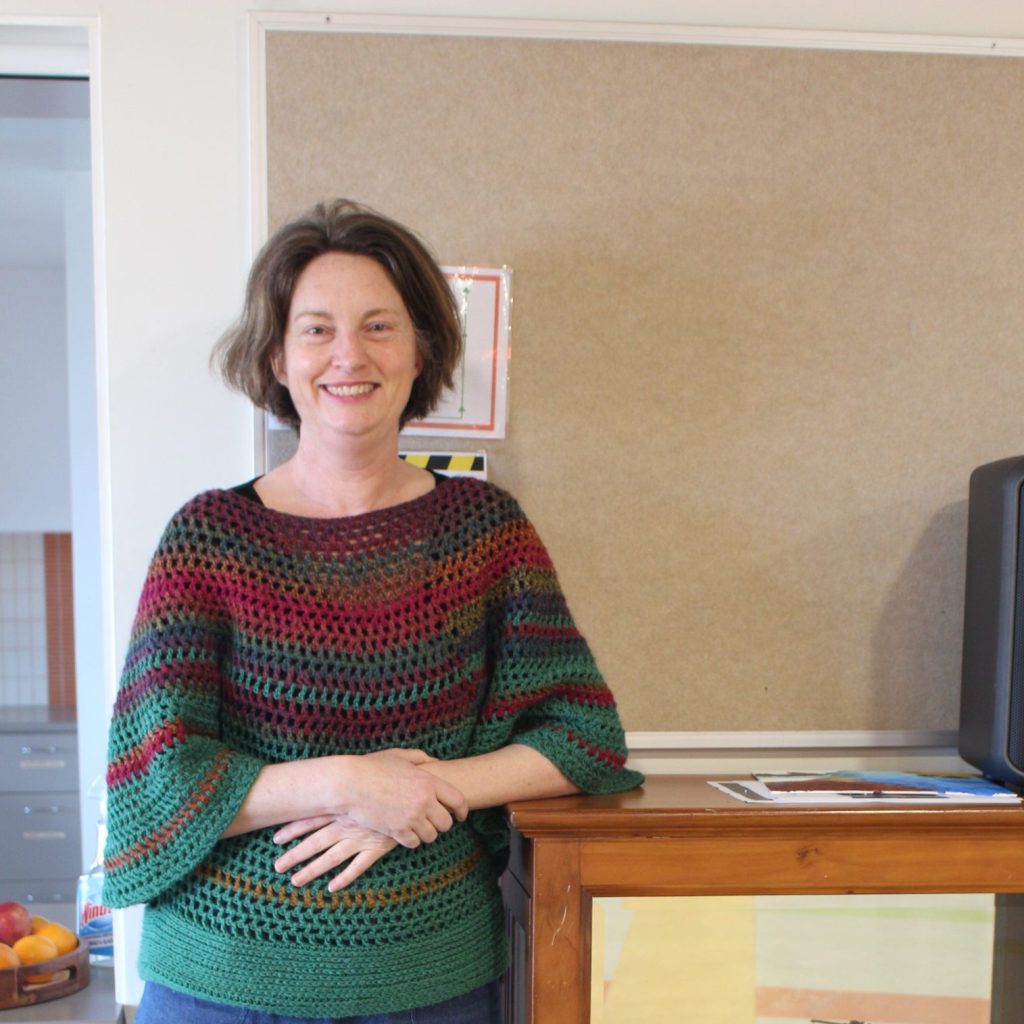
The course has 10 sections, including one on communicating with patients and families and holding difficult conversations. “They taught structures we could use, and they’ve been really useful with families and patients,” Nerida says. “Death is a taboo topic. People don’t want to talk about it, even with close family or friends.
When it gets closer to that time, the conversations often haven’t been explored. Sometimes families are shocked when you bring it up, or they have no idea what their family member’s wishes are. Other times they do know, and it’s really helpful. You can respect their wishes.”
Working with Aboriginal communities, Nerida says the training reinforced the value of asking, listening and supporting cultural priorities. “They explored a fair amount on First Nations and Aboriginal and Torres Strait Islander perspectives, which I thought was fantastic,” she says. “Family is super important. Going back to Country can be really important for people. Every person is different and every community is different, so it’s hard to have definitive guidance. But just asking ‘Are there things I should be aware of that are really important to you from a spiritual or cultural perspective?’—that matters.”
Nerida has seen palliative care from different angles.
“Palliative care is a spectrum, from early symptom management in life-limiting conditions, to caring for the patient while they’re dying and making sure it’s as good a death as possible,” she says.
“In emergency, you often compress those conversations into a short period. It’s about managing the dying process, making it as gentle as possible for the patient, and helping the family, talking them through what’s happening and managing expectations.
“In general practice, it’s usually a slower process. You have more time for conversations about what’s important, whether someone wants to die at home or in hospital, who they want around them, and what they’d like to achieve before the end of life.
“Across settings, the common thread is caring for the patient and caring for the family or carers. It’s not just the medical stuff. The social and spiritual aspects are just as important. That was a big takeaway from the course.”
For many participants, the coursework bridged practical gaps. “The nausea module was super useful,” Nerida says. “It wasn’t just ‘try this anti-emetic’. It was: ‘where is the nausea coming from? Is it central? Is it anticipatory with chemotherapy?’ The treatment differs depending on the cause. It was really well done. I learned a lot and would recommend the course.”
Back in Glenorchy, pharmacist Aimee sees the difference in small, human moments at the counter. “Now I know what to say and how to help,” she says. “It makes a hard situation a little easier for people.”
For Rachel on the north-west coast, the impact shows during late-night home visits, when her training helps families feel supported and patients remain comfortable at home. “Being able to support people to stay at home, with the medicines and reassurance they need, is huge,” she says. “It’s better for them, and for their families.”
Learn more about Primary Health Tasmania’s palliative care programs here.
This story features in Issue 21 of our Primary Health Matters magazine. Click here to read the rest of the issue.