
Finding strength in isolation
Posted on January 30, 2026
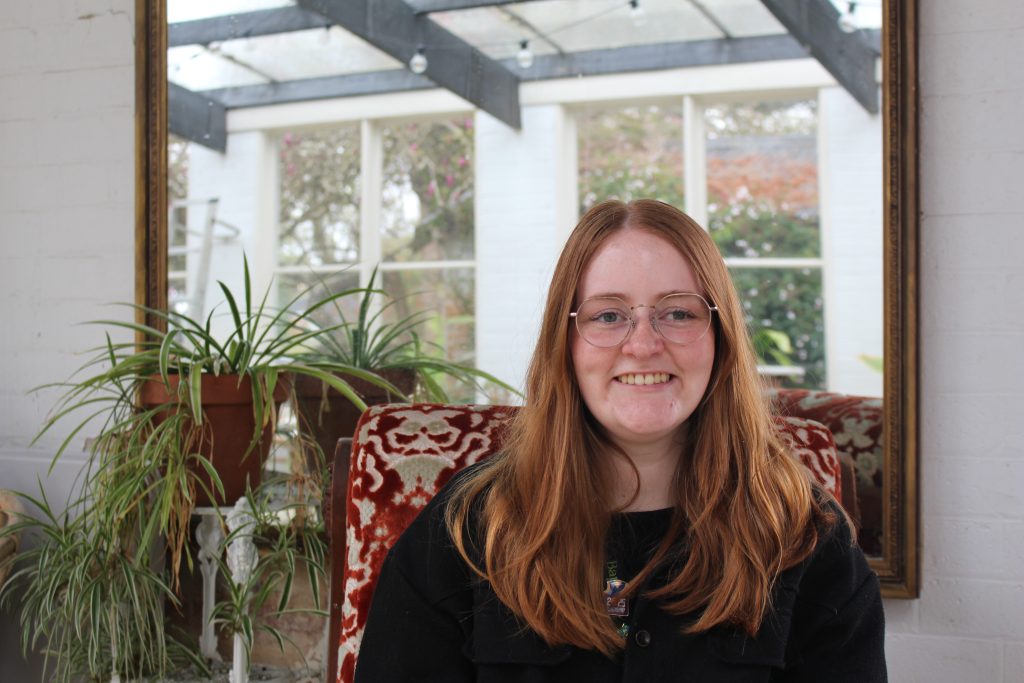
How one mental health support program turned one man’s experience of isolation into new horizons.
When Sam* moved to Queenstown in Tasmania’s remote west, he faced more than just the challenges of settling into a new town. He was navigating complex mental health issues, including post-traumatic stress disorder (PTSD), depression and anxiety, while coping with the breakdown of his marriage and the loss of his support network.
“I’d just moved here, didn’t know anyone, and suddenly I was completely isolated,” Sam says. “I was at zero out of ten with my mental health.”
Accessing professional help wasn’t easy. Specialist psychologists were hours away, and even with rebates, the cost was prohibitive. “It’s way too expensive,” Sam says. “Even with a mental health care plan, the gap is huge.”
Telehealth was an option, but it didn’t feel right for him, and phone reception in the area is unreliable. “Sometimes the network just drops out,” he says. “And if you need someone who specialises in PTSD or childhood trauma, you’re travelling hours and that’s not easy when you’re already struggling.”
Travel adds cost, time and risk. “You’re looking at six or seven hours for one appointment,” Sam says. “And if you’re triggered during the session, driving home isn’t safe.”
That’s where the Horizons program stepped in.
Primary Health Tasmania commissions Baptcare to deliver the Horizons program across Tasmania. This initiative is funded through the Australian Government’s Primary Health Networks program, which aims to improve access to mental health services in rural and remote communities.
Horizons provides short-term, practical support for people experiencing mental health challenges, focusing on goal setting, confidence building and capacity development. The program is free for participants, offering a flexible, person-centred approach that meets people where they are.
For Sam, the program was a lifeline. He heard about Horizons through his employer. “I was looking for counselling or psychology, but I couldn’t afford it,” he says. “Horizons gave me some sort of support in the meantime.”
Over six months, Sam worked closely with mental health practitioner Maycie Short to set goals that mattered to him: rebuilding confidence, stepping outside his comfort zone and exploring a new career path. “We looked at strategies like journaling and voice notes, breathing techniques, and ways to cope when things got tough,” Maycie says. “Sam was really committed, he tried everything and gave great feedback on what worked.”
Sam says his goals weren’t just about mental health—they were about reclaiming his identity. “I wanted to find myself again outside of the trauma and everything,” he says. “And I wanted to work on my trading career.”
The results were significant. Sam’s mental health improved from zero to two out of ten—a small number on paper, but a huge leap in reality. “If you’re at zero, even getting to two is massive,” Maycie says. “It means you’re starting to see hope.”
Sam began reconnecting socially, attending local events and even sharing coffee with neighbours. “That was massive,” Maycie says. “He went from feeling like an outcast to starting to build a community for himself.”
Sam also started thinking about the future. “Near the end (of the support program), he was talking about buying a business and creating a little business community in town,” Maycie says. “That confidence building was incredible.”
Horizons isn’t clinical therapy; it’s informal, flexible and tailored to individual needs. Practitioners meet clients in homes, cafés or community spaces, and adapt to challenges like poor phone reception and harsh weather. “We’re not here to diagnose,” Maycie says. “We’re here to support people with practical strategies and resources, things they can keep using after the program ends.”
Those resources include personalised safety and wellness plans, which outline early warning signs, coping strategies and support contacts. “We want people to have something they can use when things get tough,” Maycie explains. “It might be on their fridge, on their phone or even as flashcards in their wallet.”
Isolation, financial stress and limited health services are common issues in Tasmania’s rural areas, and winter can intensify feelings of loneliness. “Queenstown can be really hard,” Sam says. “There’s not much to do besides climb the mountain. And when the weather’s bad, you can’t even do that.”
For Sam, the program helped him find ways to cope. “I go for walks if the weather’s okay, or train at home,” he says.
Does Sam suggest accessing support? “Yep, no question about it. I mean, at the end of the day, it’s free. There’s not really anything to lose. And you know, especially if you’re in a situation where you can’t financially access a psychologist or psychiatrist, at least that way you can get some sort of support in the meantime. Don’t give up.”
*Name changed for privacy.
Thank you to Boscobel of Tasmania in Ulverstone for the photoshoot location.
This story features in Issue 21 of our Primary Health Matters magazine. Click here to read the rest of the issue.