
Pathways to better support
Posted on January 30, 2026
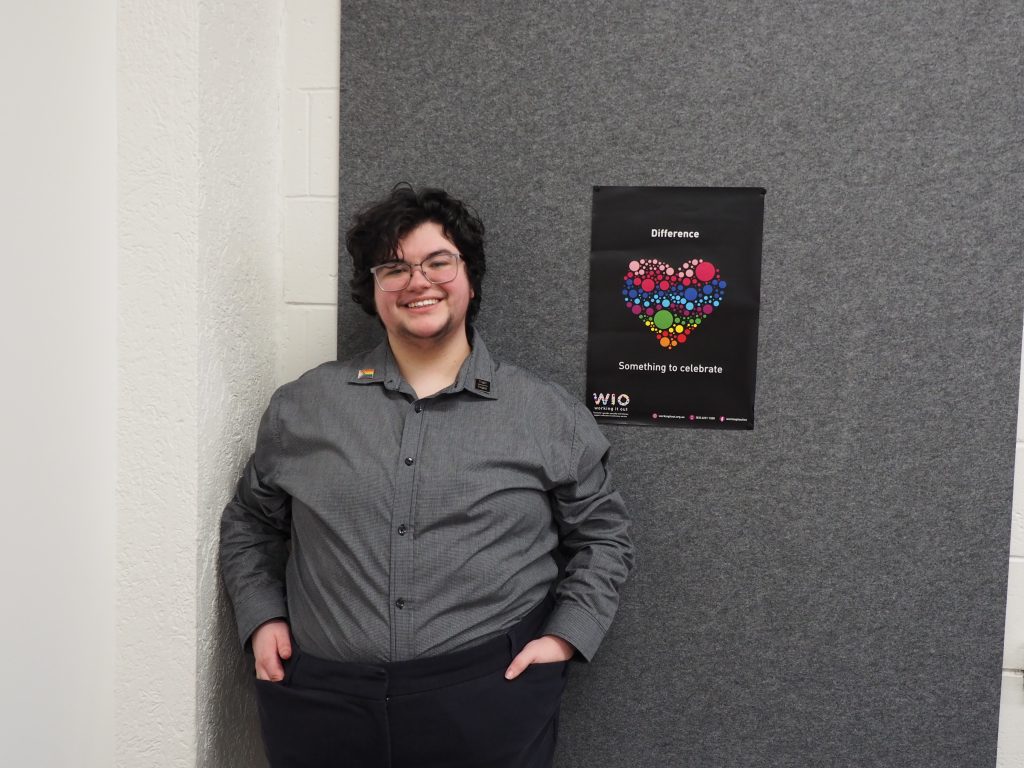
How a group of passionate doctors are empowering their fellow GPs to support transgender patients in practice.
For Relic O’Shaughnessy, a 22‑year‑old non-binary Tasmanian who uses they/them pronouns, being seen and respected in health care shouldn’t depend on luck or courage.
“We are people first,” they say. “Gender-affirming care isn’t just hormones or surgery, it’s social transition, legal steps, and being called by the right name and pronouns.”
That’s where the Tasmanian HealthPathways portal can make a quiet but powerful difference, by being a trusted source of truth to support GPs.
HealthPathways gives clinicians clear, locally agreed information to make the right decisions, together with patients, at the point of care.
For transgender and gender diverse people, that means GPs can find practical, evidence-informed guidance in minutes.
The portal helps them easily find information including communication tips, medication options and local referral options, instead of having to sift through a maze of contradictory and often unfounded information online.
Tasmania’s newly expanded transgender health suite shows how these Pathways can change lives.
Tasmanian GP Dr Madelaine Hanson is a clinical editor with Tasmanian HealthPathways and identified a gap, which led to expanding the suite from one to three Pathways.

“When I first read the single Pathway we had, I didn’t think it supported GPs enough to act independently,” says Madelaine. “It lacked social transition guidance and local links. Once we tried to add those, it was too big—so we split it.”
The result is a suite that reflects how care is actually delivered: one Pathway for children and adolescents (developed closely with the Tasmanian Gender Service) and two adult Pathways for medical transition and social transition, with clear guidance around hormone therapy and referrals.
“Guidelines are excellent,” Madelaine says, “but in a 15-minute consult you don’t want to trawl a long document. HealthPathways turns that into a user‑friendly GP interface with the local links you need.”
That local context includes Tasmanian support services, inclusive practice resources (from respectful pronoun use to visual cues like rainbow and Aboriginal flags), and updates where practice has evolved since national guidelines were published—such as new menstrual suppression options and current Pharmaceutical Benefits Scheme information.
The Pathways also invite feedback from Tasmanian health professionals and have already been updated in response to clinician suggestions.
“Everyone’s invited to give feedback,” Madelaine says. “If it’s a valid point, we take it back to the team and change it if needed.”
For the Tasmanian Government’s Sexual Health Service, the Pathways’ ease of use supports both access and capacity. Dr Jennifer Mission is a sexual health physician who was consulted as a subject matter expert on the suite and helped to revise it.
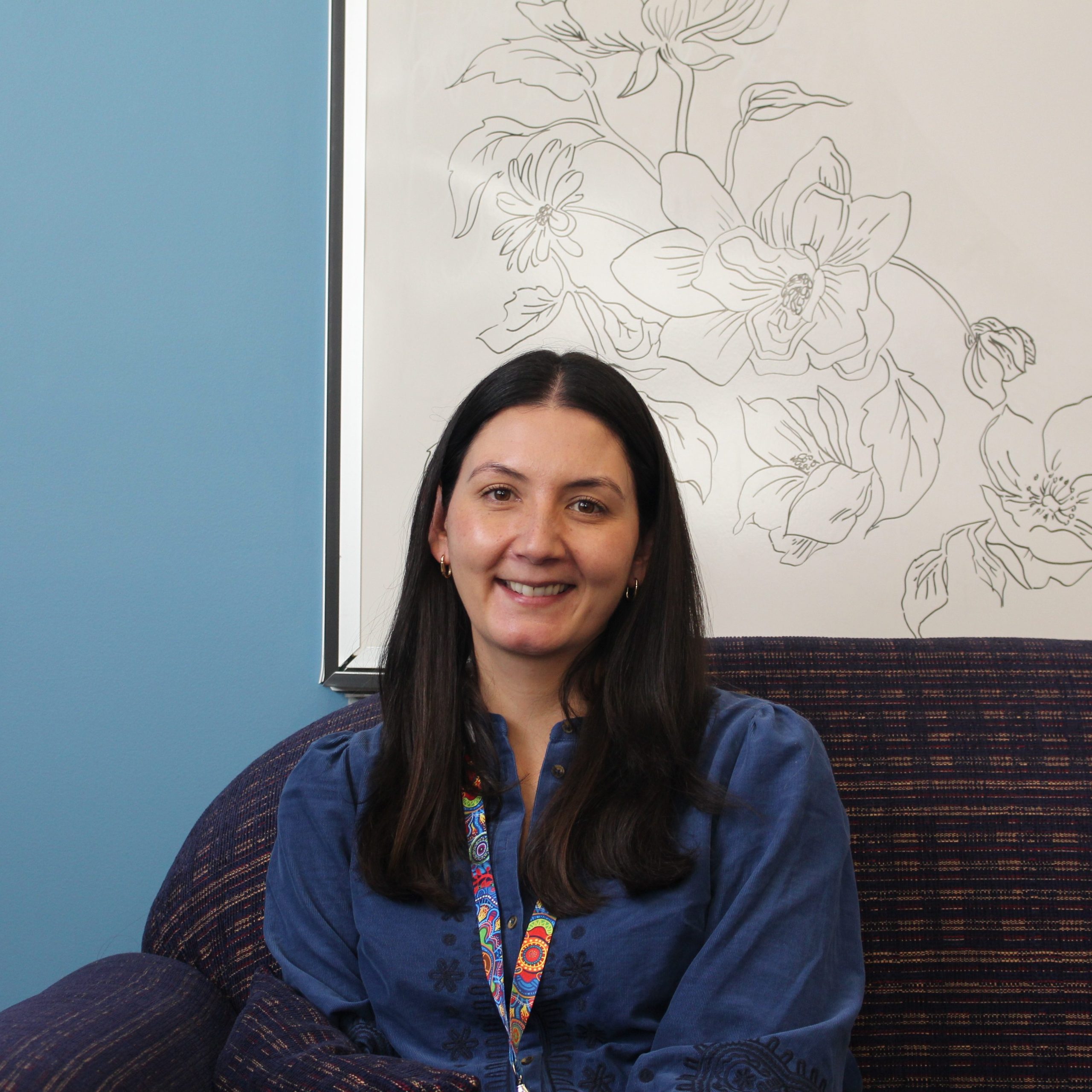
“Within Australia, gender-affirming care is largely provided by GPs,” Jennifer says. “The new Pathways give GPs the information to start affirming therapy in adults, or to know exactly who to call if they have questions. Ultimately we want to hand care back to general practice where it’s appropriate.”
Jennifer says empowering GPs in this area can save lives. “People experiencing gender dysphoria face much higher rates of mental illness and suicide. These treatments are viewed as life-saving.”
Relic agrees. “If my doctor had asked my pronouns the first time I entered their practice, I would have felt safe straight away,” Relic says. “It’s such a small thing, but it can be life‑saving.”
Jennifer says the service has also shifted away from routine psychiatry sign-off, with more assessments completed in‑house by experienced doctors. “We’re trying to de-medicalise affirmation where appropriate,” she says. “GPs are well placed to assess capacity and risks because they often know the patient over time.”
That continuity of care isn’t just clinically valuable—it helps people feel safe. “Specialty services can be daunting,” Jennifer says. “You don’t know what you’re walking into. Your GP and your practice are familiar, and that’s a better place for many people. Once a GP has supported two or three gender diverse patients, the pathway gets demystified, like any other pathway.”
The Tasmanian HealthPathways are also clear about scope. Some prescribing remains specialist‑authorised. For adult patients, GPs are encouraged to manage what they can, supported by clear next steps and local contacts.
“The Pathway empowers you to manage it yourself if you want to,” says Madelaine. “But don’t feel under pressure. The links are there to refer to colleagues if you prefer.”
Relic says those small gestures like asking pronouns, using inclusive language, and displaying visible signs of welcome can make a profound difference. “My GP is supportive, but I still see referrals where pronouns are inconsistent and have been changed as an afterthought. It’s not malicious, but it tells me I’m not being seen as a whole person; my identity is secondary,” they say. “Small things make a big difference.”
They believe inclusive language benefits everyone. “Around 200 cisgender men (men assigned male at birth) are diagnosed with breast cancer every year in Australia. Where do they go if it’s called the Women’s Clinic?” they say. “Calling services by their specialty, like gynaecology, urology, mastology helps everyone feel they belong.”
For busy GPs, the entry point for transgender health care is deliberately simple: open the page and follow the steps. This begins with information about respectful communication and provides an inclusive practice checklist, then moves to affirmation, a whole‑person history and baseline tests where indicated. Management is described and a separate page provides medication information, but if ongoing management isn’t an option, refer to a GP with a special interest or call the Sexual Health Service for advice.
“The routine follow-up for established hormone therapy is straightforward,” Jennifer says. “Six‑monthly blood tests, prescriptions, checking progress against the patient’s goals. When GPs take that on, it frees our service to see more new patients.”
None of this asks general practice to become something it’s not. It asks clinicians to do what they already do: build trust, use evidence, and work with local systems, supported by guidance that fits the realities of a consultation.
“It’s not complicated,” Madelaine says. “It’s just part of health.”
Tasmanian HealthPathways is designed to support a GP’s workflow and can be used while sitting with a patient or reflecting after a consultation. It’s there for when a clinician needs clarity, language and local context—fast.
For gender diverse patients, that clarity can look like welcoming signs and respect at the front desk, visibly displaying your own pronouns as their GP, asking the right questions in the room, and the right care plan when they leave.
For clinicians, it’s confidence, shared standards and a network behind you. For the system, it’s better access and less unwarranted variation.
And sometimes, as Relic reminds us, it’s two quick questions that help someone feel seen enough to come back next time: what is your name and what are your pronouns.
“We’re all just people trying to feel safe when we walk into a clinic,” Relic says. “If a doctor can help someone feel seen and respected, that’s health care doing what it’s meant to do.”
This story features in Issue 21 of our Primary Health Matters magazine. Click here to read the rest of the issue.